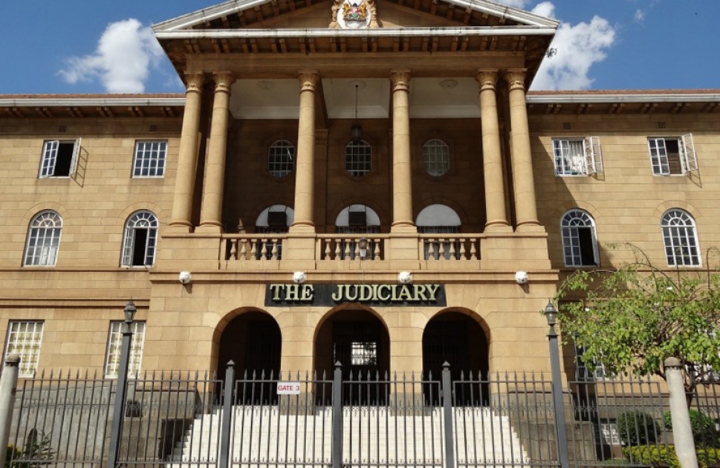
The courtroom falls silent as a judge rises. Lawyers clutch their files. Litigants lean forward, hoping months, sometimes years, of waiting are finally about to end.
Instead, the words they dread arrive.
“Mention after recess.”
Or worse:
“Judgement on notice.”
The widow seeking her late husband’s estate leaves empty-handed. A businessman trapped in a commercial dispute postpones another investment.
An employee challenging dismissal returns home with no closure. Justice, once again, has been deferred.
It is this lived reality, not statistics, that has fuelled a fresh national debate over the performance of Kenya’s Judiciary.
The debate intensified this week after Senior Counsel Ahmednasir Abdullahi claimed that poor work ethics among some judicial officers, rather than a shortage of judges alone, are a significant contributor to case backlogs.
He alleged that the forthcoming annual judicial performance report has generated anxiety among sections of the Bench because it contains uncomfortable findings about productivity.
Those claims have not been independently verified, and the Judiciary has not publicly confirmed the assertions made by the lawyer.
But they have reopened difficult questions that have lingered for years.
Why do some cases still drag on for years despite sustained judicial reforms?
The timing of Ahmednasir’s criticism is significant.
Case Backlog
Just a day earlier, Chief Justice Martha Koome unveiled what the Judiciary described as its strongest performance in years.
According to the Judiciary’s 2024/25 Performance Management and Measurement Understanding (PMMU) report, courts resolved 647,686 cases against 621,425 new filings, achieving a case clearance rate of 104 per cent, meaning more cases were concluded than were filed during the year.
The national backlog also fell by 27 per cent, from 272,678 pending cases to 244,267.
For an institution that has long battled criticism over delays, those figures represent measurable progress.
However, the statistics only provide a partial view of the situation.
Outside the Judiciary’s annual reports lies another reality, the one experienced daily by litigants and lawyers.
Court corridors remain crowded before sunrise. Benches overflow with people clutching dog-eared files.
Advocates shuffle between courtrooms, only to discover that hearings have been postponed or judgements deferred.
For many Kenyans, justice remains measured not by national clearance rates but by the number of times they are told to return another day.
Chief Justice Koome acknowledges that challenge.
While unveiling the report, she said increasing caseloads, inadequate infrastructure, shortages of judges and judicial staff, ICT constraints, and rising demand for judicial services continue to weigh heavily on the courts.
Public Confidence
She argued that public confidence has increased, bringing more people into the justice system and placing additional pressure on already stretched institutions.
Her prescription is a greater investment.
The Judiciary is pushing for more judges and magistrates; expanded court infrastructure; accelerated digitisation through the Integrated Case Management System, e-filing, and virtual courts, and stronger governance systems.
But critics argue that efficiency is not solely about resources.
The judges/magistrates annual performance report which was to be released this month is facing almighty bush back and resistance from judges. The report makes some shocking and unbelievable statistics. It shows a judiciary that is rudderless and in total ruins. Some judges are…
— Ahmednasir Abdullahi SC (@ahmednasirlaw) July 3, 2026
It is also about accountability.
That may explain why one of the most consequential announcements made by the chief justice received relatively little attention.
Data-backed Individual Performance
Beginning this month, the Judiciary will publish individual performance reports for judges and judicial officers, a move designed to strengthen transparency, accountability, and public confidence.
The reports will undergo verification before publication and are expected to provide, for the first time, a clearer picture of judicial output across the country.
For many observers, the initiative could shift the conversation from anecdote to evidence.
If implemented consistently, performance data could help distinguish courts overwhelmed by workload from those hampered by inefficiency.
It may also provide policymakers with a firmer basis for deciding whether the solution lies in recruiting more judicial officers, improving management systems, or reforming court processes.
That distinction matters.
Alternative Dispute Resolution
Kenya’s justice system has undergone significant reforms since the 2010 Constitution, including vetting judges, expanding court stations, embracing digital filing, and introducing alternative dispute resolution mechanisms to reduce pressure on traditional courts.
Yet public confidence is shaped less by institutional milestones than by personal experience.
A delayed succession cause can keep families divided for years. A stalled commercial dispute can freeze investments and jobs.
A postponed criminal trial prolongs uncertainty for victims and accused persons alike.
Every adjournment carries a human cost rarely reflected in annual reports.
The Judiciary’s own figures suggest progress is being made.
READ ALSO: “Come Back Next Year”: The Slow Death of Justice in Kenya’s Courts
The frustrations voiced daily by litigants suggest much work remains.
Bridging that gap may ultimately determine whether Kenyans measure justice by performance reports or by what happens when they walk into a courtroom carrying a file and hoping, finally, to be heard.
Support the journalism you love. Become a Gotta Member.
Every Gotta Membership helps fund fearless reporting, in-depth analysis, and the stories that matter most. Purchase anytime, as often as you wish, and help keep independent journalism thriving.
Join Gotta Membership today. Click HERE to check out securely with Paystack.