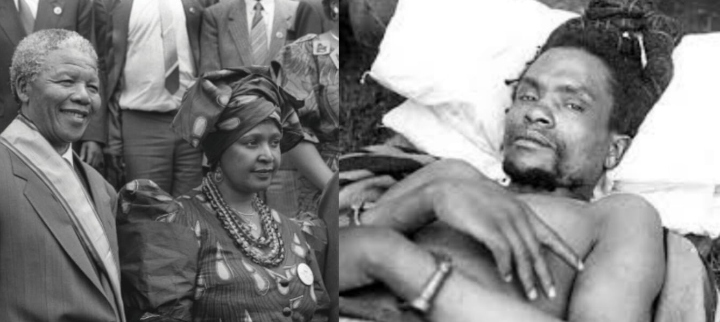
Nelson Mandela arrived in Kenya on July 11, 1990, carrying the crackle of history.
Barely five months after walking free from 27 years in prison, Nelson Mandela stepped into Nairobi as the world watched.
Crowds saw a saint of resistance. But Mandela came searching for warriors.
At the top of his list was Dedan Kimathi, the forest commander hanged by the British on February 18, 1957, and buried secretly in an unmarked grave at Kamiti Prison.
Mandela wanted to stand where Kimathi lay, to honour a man whose rebellion had burnt like a signal fire across colonised Africa.
The grave that Kenya could not find
Instead, the government of Daniel arap Moi had no grave to show him.
The silence was thunderous.
A newly freed Mandela, who had stared at prison walls for nearly three decades, asked to visit the resting place of one of Africa’s boldest anti-colonial fighters.
Yet independent Kenya, ruled by Jomo Kenyatta and later Moi, could not point to the soil where Kimathi had been dumped.
First, the empire erased the hero Mandela sought, and then neglect followed.
It was not mere embarrassment. It was an indictment.
Jomo Kenyatta’s and Moi’s administrations had long treated Mau Mau memory with suspicion, inheriting and preserving the cold distance earlier governments showed toward the movement that helped break colonial rule.
Men who fought in caves and forests were too often remembered only when speeches required them.
Mandela also asked to meet Kimathi’s widow Mukami Kimathi. Officials reportedly scrambled. She had been left in hardship, another painful monument to state indifference.
Mandela’s quiet rebuke
Then came Mandela’s answer.
At a rally at Moi International Sports Centre Kasarani on July 13, 1990, he praised the Mau Mau fighters who had sustained him through prison darkness.
Mandela named Kimathi. He named General Waruhiu Itote and Field Marshal Musa Mwariama. He named General Kubu Kubu. These were, he said in effect, candles in his long war against injustice.
It was a sharp public rebuke delivered with calm dignity. While Moi hosted the ceremony, Mandela elevated the heroes the Kenyan state had failed to honour.
READ ALSO: Final salute: Mzee Moi laid to rest at Kabarak home
Years later, statues would rise, and Kimathi’s burial site would be more seriously pursued.
But the defining image remains sharper than bronze:
Mandela, newly free, was searching for a dead freedom fighter his host government had tried to leave buried in anonymity.
Sometimes governments do not imprison heroes.
They simply refuse to remember them.
PAY ATTENTION: Reach us at info@gotta.news.