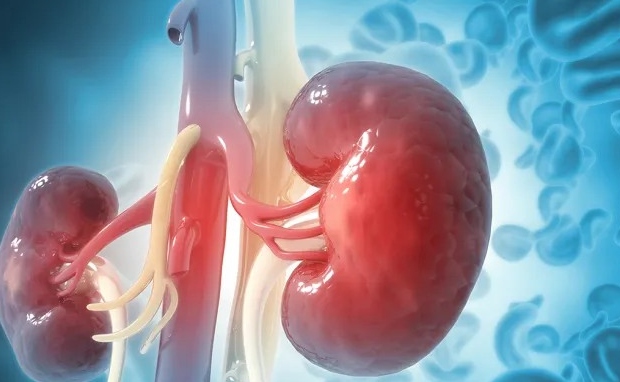
In the silent arithmetic of desperation, the proposal emerges like a beacon: one kidney, one procedure, and a payout substantial enough, it appears, to transform a life.
For many young Kenyan men, particularly those navigating the margins of unemployment and stalled opportunity, the figure is intoxicating.
KSh 1.2 million is not just money; it is rent cleared, debts erased, and futures imagined.
But as investigations into the Mediheal-linked kidney trafficking allegations by Nation suggest, that promise often dissolves the moment the deal is done.
A system disguised as care
What begins with persuasion, sometimes from a friend, a neighbour, or a trusted intermediary, quickly evolves into a tightly managed process.
Prospective donors are assured the surgery is safe, routine, and even altruistic. Paperwork is prepared. Medical tests are arranged.
Travel and accommodation are sometimes covered, reinforcing the sense of legitimacy.
Yet beneath this carefully constructed façade lies a system that, according to investigators, thrives on imbalance: of information, of power, and ultimately, of payment.
The vanishing millions
Several accounts emerging from the probe describe a stark pattern of shortchanging. Young men reportedly enter the arrangement expecting up to KSh 1.2 million.
By the time the surgery is complete and recovery begins, the payout shrinks, sometimes dramatically.
Some say they receive as little as KSh 400,000, handed over in cash, with little explanation and no recourse.
The remainder, they are told, has been consumed by “facilitation fees”, medical costs, or broker commissions.
The arithmetic is brutal. What was pitched as a transformative windfall becomes, instead, a fraction, barely enough to justify the irreversible loss of an organ.
The cost beyond cash
And yet, even this diminished payment often arrives too late to undo the deeper cost.
Medical follow-up is inconsistent at best. Many donors return to their communities with scars that are both visible and hidden: persistent pain, reduced stamina, and in some cases, early signs of kidney complications.
Without structured post-operative care, these young men are largely left to manage the long-term consequences on their own.
The very institutions and intermediaries that orchestrated the process recede, leaving behind a quiet trail of unresolved health risks.
A global shadow market
Globally, their experience echoes a familiar pattern. The World Health Organization estimates that up to 10 per cent of all organ transplants involve illicit trade, a shadow market driven by chronic shortages and stark economic divides.
Valued at between $840 million and $1.7 billion annually, the trade is sustained by a simple, troubling equation: the poor supply, the wealthy demand, and intermediaries extract the margin.
Kidneys dominate this underground economy precisely because they can be taken from living donors. For recipients—often travelling across borders in search of faster transplants—the cost can soar into the hundreds of thousands of dollars.
For donors, however, the compensation is not only smaller; it is unstable, negotiable, and frequently eroded before it reaches their hands.
The illusion of escape
Studies from multiple countries reinforce this asymmetry. In some regions, more than 80 per cent of organ sellers report a decline in health after donation, alongside worsening financial conditions.
The anticipated escape from poverty rarely materialises. Instead, many find themselves back where they started—only now with diminished physical capacity and new medical vulnerabilities.
Scrutiny, denial, and uneasy questions
In Kenya, the unfolding Mediheal saga has triggered official scrutiny and public unease.
Authorities have pointed to suspicious transplant patterns, including cases where donors and recipients appear unrelated, raising questions about compliance with national law.
The hospital group has denied wrongdoing, insisting it operates within legal and ethical frameworks.
Yet beyond the legal arguments lies a more human story, one that resists easy resolution.
It is the story of young men who entered a transaction believing they were making a calculated sacrifice. Only to discover that the calculation was never truly theirs.
The price was set elsewhere.
The terms were fluid. And the outcome, once sealed in an operating theatre, was final.
In the end, the promise of KSh 1.2 million turns into something else: a lesson in how quickly hope can be lost, how easily bodies can be turned into things, and how the most valuable asset in the global organ market is often the least protected.
READ ALSO: The Glittering Mirage: Inside Kenya’s Fake Gold Trade
The scar, for many, is not just surgical. It is economic, physical, and enduring—a quiet reminder that some bargains, once made, can never be balanced.
Support the journalism you love. Become a Gotta Member.
Every Gotta Membership helps fund fearless reporting, in-depth analysis, and the stories that matter most. Purchase anytime, as often as you wish, and help keep independent journalism thriving.
Join Gotta Membership today. Click HERE to check out securely with Paystack. For any enquiry, reach us at info@gotta.news.