Justice Wendy Micheni suspends the DCI probe into Power Parts after KPA paid USD1 million towards a USD1.55 million contract for five Kalmar machines. The dispute over delivery, ownership and the outstanding balance now raises questions about the line between commercial claims and criminal investigations.
The High Court in Mombasa has suspended DCI investigations into a contentious KPA machinery procurement deal.
The ruling places a spotlight on the boundaries between criminal investigations and commercial disputes.
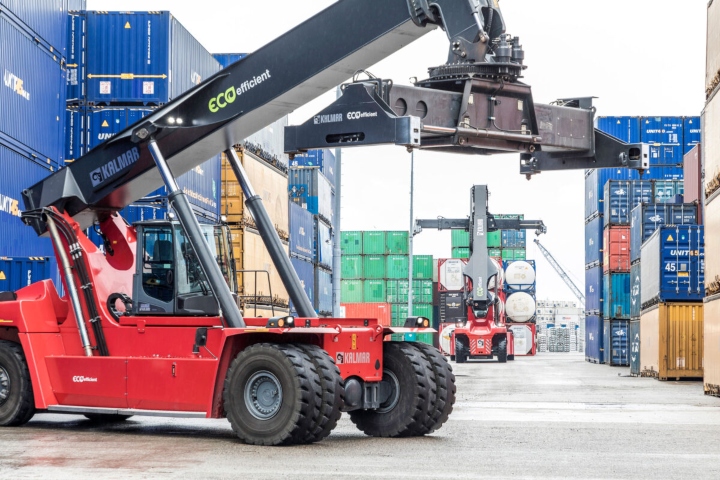
Lady Justice Wendy Micheni restrained detectives from pursuing investigations involving five Kalmar empty container handlers.
The equipment was procured by Kenya Ports Authority (KPA) under a USD1.55 million contract.
The judge also ordered investigators to account for banking records obtained through several court warrants.
She further prohibited their disclosure or use without additional judicial authorisation.
The dispute centres on allegations that Power Parts (Kenya) Limited sold two machines.
KPA claims the equipment was disposed of without its authority, despite substantial payments.
However, Justice Micheni questioned whether criminal investigations risked advancing KPA’s existing commercial recovery claim.
She emphasised that “criminal justice should not be used as a pawn in civil disputes.”
Contractual Fallout
The dispute dates back to November 30, 2023, when Power Parts secured the supply contract.
The agreement followed Tender No. KPA/033/2023-24/TE and covered testing and commissioning.
The five machines carried serial numbers B11500238, B11500239, B11500240, B11500241 and B11500242.
Their contractual price stood at USD1,548,608.19, according to the judgement.
KPA paid USD309,721.63 as an advance and another USD49,555.46 in VAT. It subsequently remitted USD640,803.37 through a letter of credit.
The total payment reached USD1,000,080.47, leaving the contractual balance outstanding.
The remaining amount depended on testing, commissioning and acceptance of the equipment.
A disagreement subsequently emerged over delivery arrangements and ownership of the imported machines.
Power Parts maintained that KPA failed to facilitate access necessary for delivery.
The company said it cleared the machines after their arrival in Mombasa.
It subsequently moved the equipment to a container freight station awaiting delivery arrangements.
KPA disputed that explanation and relied on correspondence concerning gate clearance.
On June 6, 2026, the authority demanded delivery or a refund.
Power Parts rejected the demand on June 17, asserting a counterclaim of USD257,389.39.
It also invoked arbitration under the contract’s dispute-resolution provisions.
Meanwhile, KPA instituted Commercial Cause No. E041 of 2026 on June 30. It sought recovery of USD1,000,080.47 and other contractual reliefs.
Zanzibar Connection
The dispute escalated after Fumba Ports Limited of Zanzibar contacted KPA.
In a letter dated August 27, 2026, the company disclosed purchasing two machines.
The machines, B11500238 and B11500239, were reportedly purchased in October 2025.
Fumba Ports supplied documents supporting the transaction, according to court records.
These included an invoice for USD500,000 dated October 23, 2025.
Other documents reportedly included tax records, bank transfers and an onward bill of lading.
KPA also examined port records indicating the machines were exported during October 2025.
Those records allegedly identified Power Parts as the exporter.
The authority lodged a criminal complaint on September 1, 2026.
Investigators received it the following day, triggering inquiries into suspected obtaining money by false pretences.
The two machines subsequently returned to Kenya on September 3, 2026.
Police took custody of them as exhibits at Kilindini Port Police Station.
However, the whereabouts of the remaining three machines remained contentious.
Investigators maintained that their precise location had not been established.
Power Parts disputed wrongdoing, insisting ownership had not passed to KPA.
It maintained that the disputed transaction was lawful under existing contractual arrangements.
Banking Questions
Investigators obtained several warrants seeking banking records from both parties.
One warrant, issued September 8, targeted accounts connected with the Zanzibar transaction.
The investigation cited suspected fraudulent activities related to obtaining money by false pretences under section 313.
Other warrants covered Power Parts’ Stanbic account and KPA’s Citibank account.
Power Parts challenged the applications, alleging investigators had omitted material information. It argued that they failed to disclose the existing contractual and commercial proceedings.
The company also disputed allegations that its directors had evaded investigators. It maintained that KPA’s demand reached its office and received a response.
Justice Micheni considered these complaints significant, particularly regarding applications made without notice.
She emphasised the obligation of “full and frank disclosure” when seeking banking information.
The judge noted that the contract covered five machines, while allegations concerned two.
She also highlighted shipping documents identifying Power Parts as consignee.
However, the court did not find that investigators deliberately misled the magistrate. It held that the alleged omissions required examination during substantive proceedings.
Court Intervention
Justice Micheni examined section 193A of the Criminal Procedure Code, permitting parallel proceedings.
The provision does not automatically suspend criminal investigations whenever related civil litigation exists.
However, she distinguished legitimate investigations from proceedings deployed for ulterior purposes.
She relied on Supreme Court decisions in Jirongo v Soy Developers and Dande v Inspector General.
The court acknowledged that the alleged Zanzibar sale could disclose distinct criminal conduct.
Police would therefore be entitled, and indeed expected, to investigate genuine offences.
Nevertheless, the timing and scope of investigations demanded careful judicial scrutiny.
KPA had already sued Power Parts before lodging its criminal complaint.
Investigators subsequently obtained financial information concerning both parties’ contractual dealings.
The judge questioned whether inquiries had expanded beyond the alleged machinery sale.
Consequently, she suspended further investigations arising from KPA’s September complaint.
Detectives were also restrained from arresting, summoning or prosecuting Power Parts.
The banking records obtained through the warrants must remain sealed under judicial custody.
No party may inspect, copy, disclose or use them without further court authorisation.
The two machines already held by police must remain securely preserved. Neither party may dispose of the remaining three machines pending determination.
Power Parts must disclose their locations and condition through an affidavit within seven days.
Investigators must account for warrants, records obtained and disclosures made within fourteen days.
Importantly, KPA remains free to pursue its commercial recovery proceedings.
READ ALSO: Court Rejects Finnish Firm Kalmar’s Bid to Stop KSh947 Million KPA Reachstacker Deal
However, it cannot exploit criminal investigations to obtain evidence or exert pressure.
The judge expressly declined to determine ownership, liability or criminal culpability.
She also left the arbitration application and commercial dispute for separate determination.
The substantive petition was prioritised, with compliance scheduled for December 16, 2026.
The ruling ultimately protects investigative independence while demanding constitutional accountability.
PAY ATTENTION: Reach us at info@gotta.news.