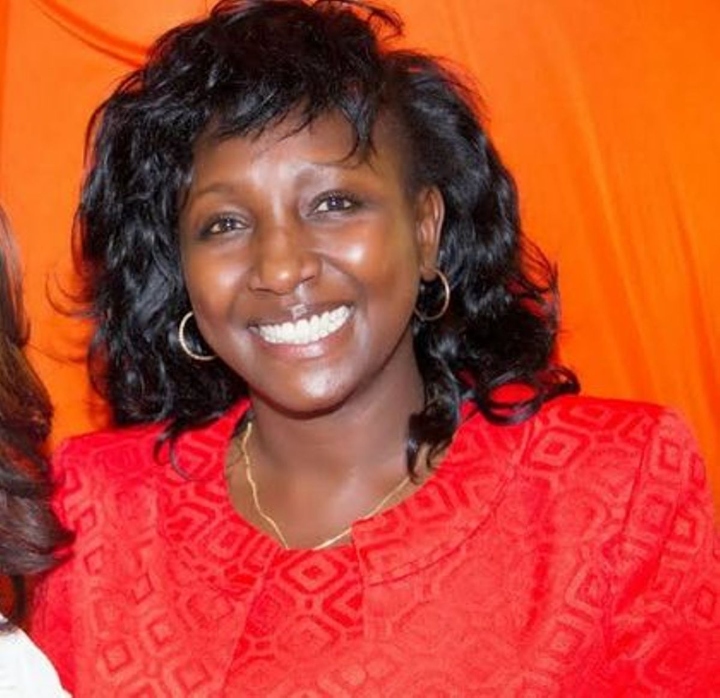
For a fleeting moment on live television, Deputy Speaker Gladys Shollei laughed.
Then came the remark that exploded across Kenya’s digital streets: perhaps Makueni Senator Dan Maanzo “maybe uses a matatu”.
The jab was aimed at Maanzo after he failed to appear physically for a televised political discussion and instead joined virtually.
But what may have been intended as light mockery quickly spiralled into something far bigger and far uglier.
Because outside the studio lights, Kenya was already groaning under the weight of a nationwide transport crisis.
Across Nairobi and other towns, stranded commuters lined roadsides under fading evening skies, some walking for kilometres after matatu operations were disrupted by protests and paralysis in the transport sector.
Mothers dragged tired children through crowded pavements. Workers stood helplessly at empty stages.
Entire families faced the prospect of going hungry after businesses stalled for the day.
Then came Shollei’s cruel joke.
Sam: How come you’re unable to join us in the studio?
MP Gladys Boss: Maybe he uses matatus
Senator Dan Maanzo: I’m supporting the strike today#CitizenDayBreak pic.twitter.com/4Z56TqPbOo
— Citizen TV Kenya (@citizentvkenya) May 18, 2026
To many Kenyans, the comment did not sound playful. It sounded detached. Careless. Even cruelly.
Worse still, Maanzo would later explain that he had deliberately chosen not to physically attend in support of the nationwide matatu strike protesting hiked fuel prices.
Elite indifference
That revelation only intensified public anger, transforming what might have been dismissed as parliamentary banter into a symbol of elite indifference.
“This says everything wrong with this regime,” wrote Gatonga Kairu online.
“Arrogance, madharau and a total lack of comprehension of the pain ordinary people are going through.”
Another commenter, Saint Kelvin, accused leaders of mocking the very public transport systems they admire abroad.
“Every developed country runs on public transport, yet here politicians sneer at matatus as if they were beneath them,” he wrote.
But perhaps the sharpest reaction came from Kenyans who felt the remark insulted millions who rely on matatus every day to survive.
“So using a matatu is now an insult?” asked Malyun.
“One day you too may board one.”
And that became the heart of the fury.
READ ALSO: Lawyer Nelson Havi Slams Duale After Dr Obwaka’s Death
Matatus are not symbols of failure in Kenya. They are the arteries of the nation – carrying students, traders, nurses, labourers and exhausted workers through the chaos of everyday life.
To reduce them to a punchline, critics argued, was to laugh at the country itself.
PAY ATTENTION: Reach us at info@gotta.news.