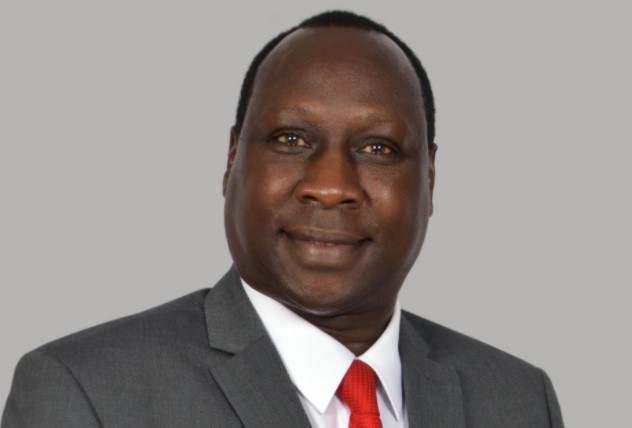
Court finds Wilson Muthaura Mathiu could lawfully take terminal leave, but KTDA breached his contract before his April retirement.
The court has ordered Kenya Tea Development Agency (KTDA) to pay former CEO Wilson Muthaura Mathiu KSh1.93 million.
Justice Monica Mbaru found that KTDA breached Mathiu’s employment contract during his final months.
However, the judge rejected his claim that terminal leave amounted to constructive dismissal.
The judgement delivered on September 30, 2026, therefore produced a sharply divided outcome.
Mathiu lost his multimillion-shilling compensation claims but secured substantial damages for contractual breaches.
The award comprised KSh1,913,045 in damages and KSh14,740 for newspapers.
KTDA must also issue Mathiu with a Certificate of Service, while each side bears costs.
Sudden Exit
Mathiu was KTDA’s Group Chief Executive Officer under a contract ending April 20, 2026.
He had previously served in several senior management positions within the organisation.
The Board appointed him acting CEO on June 22, 2021, before confirming him permanently.
His substantive appointment took effect on October 1, 2021, under a three-year contract.
That contract was subsequently renewed, leaving him employed until April 20, 2026.
The dispute erupted on January 16, 2026, while Mathiu was away on approved leave.
He said he learned through social media about a letter placing him on terminal leave.
The letter referred to a Board meeting held that same day, according to court records.
Mathiu argued that KTDA had effectively removed him without proper notice or due process.
His contract required three months’ written notice or payment instead of notice.
Instead, KTDA immediately separated him from his duties and appointed Francis Miano acting CEO.
KTDA also disabled Mathiu’s access to internal systems, including SAP, Chaiweb and Informax.
He said he was removed from official communication groups and denied access to his office.
The former CEO further claimed that KTDA withdrew his vehicle, driver, and other contractual benefits.
He argued that the combined actions amounted to constructive dismissal and unfair labour practices.
Leave Battle
KTDA presented a different explanation, saying Mathiu had accumulated substantial annual leave.
The agency said its Board directed him to utilise those days before his contract expired.
Court records show Mathiu had accumulated 29.5 leave days when the dispute arose.
He had earlier applied for annual leave beginning December 22, 2025, which KTDA approved.
The court consequently examined whether KTDA could lawfully direct him onto terminal leave.
Justice Mbarũ held that annual leave is a statutory right under Section 28.
The judge stressed that employers have a duty to ensure employees enjoy that entitlement.
Allowing Mathiu to use accrued leave before his contract expired was therefore lawful.
The court described that arrangement as the most reasonable measure available to KTDA.
It also distinguished terminal leave from compulsory leave, which serves a different employment purpose.
Terminal leave facilitates an orderly transition towards the end of an employment relationship.
Compulsory leave, by contrast, operates temporarily while disciplinary or investigative matters remain unresolved.
That distinction dealt a major blow to Mathiu’s constructive-dismissal claim.
The court found that placing him on terminal leave did not itself terminate employment.
Contract Breach
Yet KTDA’s victory over terminal leave came with an important qualification.
The court found the agency mishandled Mathiu’s remaining contractual relationship after sending him home.
His employment continued until April 20, 2026, despite his terminal-leave arrangement.
His accrued leave would have ended around March 9, leaving weeks under the contract.
The judge therefore questioned why KTDA completely disabled his workplace access during that period.
Justice Mbarũ described removing Mathiu from Chaiweb and Informax as unnecessary.
The court similarly found that withdrawing contractual benefits attached to his position was unjustified.
Those benefits included the company driver and newspapers associated with his CEO position.
The court acknowledged that appointing an acting CEO during terminal leave was necessary.
However, that appointment did not extinguish Mathiu’s contractual rights before April 20.
The judge found KTDA had created an unnecessarily hostile transition during the remaining employment period.
“Such action was unnecessary,” the judge said, referring to the workplace systems shutdown.
The court ultimately found that KTDA breached Mathiu’s right to fair labour practices.
The judge said the transition and retirement process had not been fairly handled.
That breach entitled Mathiu to damages despite the lawful terminal-leave decision.
Limited Award
The court nevertheless rejected Mathiu’s biggest financial claims.
His demand for KSh5.739 million representing three months’ notice pay was dismissed.
The judge found that KTDA had not terminated the fixed-term contract before its expiry.
Mathiu’s KSh31.45 million claim for twelve months’ compensation also failed.
The court held that his contract ultimately ended through effluxion of time.
His KSh1.88 million claim for accrued leave similarly failed because those days were allocated.
The court also rejected his separate claim for KSh672,240 covering sixteen board sittings.
Board allowances, the judge explained, accrue when actual sittings occur.
However, denying Mathiu the opportunity to participate formed part of the contractual breach.
The court therefore addressed that breach through the general damages award.
One smaller benefit survived the scrutiny.
The court found newspapers were contractual benefits attached to Mathiu’s position as CEO.
It awarded him KSh14,740 covering newspaper supplies between January and April 2026.
READ ALSO: Kenya Power Ordered to Pay Former Manager KSh2.4 Million After Years in Acting Role
The final monetary award consequently reached KSh1,927,785.
The judgement leaves an important distinction for employers handling executive exits.
A lawful terminal-leave decision does not extinguish contractual rights before employment ends.
KTDA could send Mathiu home using accrued leave, but it could not erase his remaining contract.
The court therefore rejected constructive dismissal while still finding an unfair labour practice.
For Mathiu, the courtroom battle ended far below his original financial demand.
For KTDA, the judgement delivered a different warning about managing senior executive departures.
Employment can move into its final chapter without ending contractual obligations prematurely.
PAY ATTENTION: Reach us at info@gotta.news.