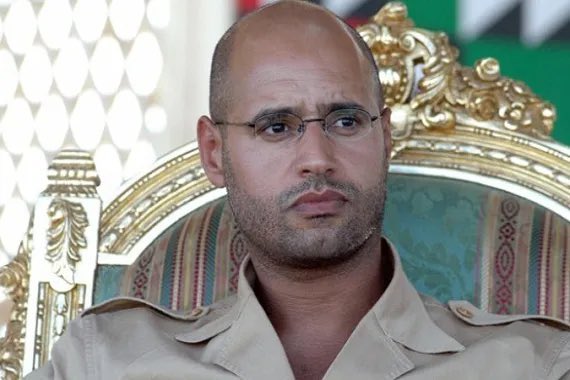
The dawn was still cold and dark in Zintan when death crept through the quiet dust of a sprawling compound. Saif al-Islam Gaddafi, son of Libya’s long-ousted dictator Muammar Gaddafi, was shot dead in his own home on Tuesday, February 3, in a brazen, masked assault that has sent shockwaves through a fractured nation.
It happened like a scene from an old war film.
Four gunmen – faces hidden, weapons drawn – slipped past guards and smashed silence.
Security cameras lay disabled, wires cut in an act described by Libyan officials as a calculated strike to leave no trace. Inside, bullets shattered glass and carved night into daylight. Saif al-Islam was 53.
Libya’s attorney-general confirmed the death from gunshot wounds and ordered a criminal investigation, but details on motives or suspects remain fogged in uncertainty.
Officials say investigators are still piecing together what unfolded before the four assailants vanished into the desert at dusk.
“We are calling for a full, transparent investigation,” said Khaled al-Mishri, a prominent political figure, in a terse social media post.
His appeal echoed through Tripoli’s fractured corridors of power – a call for clarity in a country long starved of it.
Saif al-Islam was no ordinary target.
Born in Tripoli in 1972, he was once his father’s heir apparent – the heir to a dynasty built on oil wealth and iron-fisted control.
Educated in the West, fluent in English and groomed as a possible reformer, Saif al-Islam wore two faces: the diplomat who sat with European officials and the hard-line loyalist who vowed to crush Libya’s 2011 uprising with “rivers of blood”.
When rebels stormed Tripoli and toppled his father’s regime, Saif al-Islam tried to flee, disguised as a Bedouin.
Instead, he was captured by militia fighters and spent years imprisoned in Zintan. A death sentence in absentia for war crimes hung over him, yet a 2017 amnesty freed him back into the same city where he met his end.
In 2021 he attempted a political comeback, registering for presidential elections that never happened.
His presence on the ballot was deeply polarising – a ghost of Libya’s violent past whose ambitions divided factions already locked in bitter struggle.
Maina Njenga: Muammar Gaddafi Gave Me Billions Believing I Was Moi’s Son
With his death, Libya now faces an even more uncertain political landscape. The elections scheduled for later this year remain in jeopardy. Some analysts suggest that his absence may pave the way for new leadership; however, others caution that it could exacerbate the divisions that have long fragmented the oil-rich nation.
PAY ATTENTION: Reach us at info@gotta.news.