
A chilling tragedy unfolded in Nigeria’s capital as Ifunanya Nwangene, a 26‑year‑old singer once celebrated on The Voice Nigeria, died after a venomous snake bit her in her sleep.
The aspiring star, known affectionately as Nanyah, was at the threshold of her breakout year.
Late on January 31, Nwangene was in her apartment in Abuja when pain woke her from slumber.
A snake had bitten the young artist’s leg – or wrist, according to some eyewitness accounts – in a moment as unexpected as a thunderclap.
Two snakes were later found inside her home, and a handler was heard off‑camera exclaiming, “It’s a cobra!” as the reptiles were removed.
Her first call was not to fans or social media but to medical help. She sought treatment at a nearby clinic. But in a grim echo of too many emergencies across Nigeria, no antivenom was available.
In the Federal Medical Centre, Jabi, doctors worked frantically. She received one antivenom dose, but another was reportedly unavailable – the last vial having already been used.
Her friend, Paschal Nworgu, was by her side.
“She was not talking. She could only make hand gestures. She was struggling to breathe,” he told CNN. Moments later, she was gone.
“She died in my hands,” Nworgu said, his voice still raw.
The loss reverberated through the Nigerian music community like a sudden jolt. Sam C. Ezugwu, the music director of the Amemuso Choir, where Nwangene had once performed, announced her unexpected passing on Facebook. He described her as “a rising star” who was “on the cusp of sharing her incredible talent with the world.”
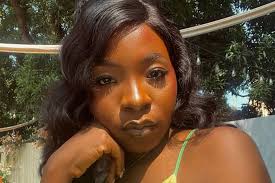
Ifunanya Nwangene. Photo/courtesy
Celebrated for her knockout audition on The Voice Nigeria – where she turned two chairs with a soulful rendition of Rihanna’s “Take A Bow” – Nwangene had fused jazz, opera, and soul into a signature style that resonated well beyond Abuja.
Fellow musician Tbrass, who’d worked with her days before her death, poured his grief into words:
“An irreplaceable loss to the Abuja music society and Nigeria at large.”
“Her voice and energy brought joy, inspiration, and even healing to many.”
Her story, powerful and poignant, has become a flashpoint in Nigeria’s broader struggle with emergency healthcare infrastructure and snakebite treatment protocols.
Snakebite envenoming – classified by the World Health Organization as a neglected tropical disease – kills tens of thousands across Africa annually, often because antivenoms are scarce or slow to reach patients.
In the days after Nwangene’s death, public outrage grew. Some Nigerians blamed systemic healthcare failings for what many believe was a preventable death.
A motion in the Nigerian Senate called for mandatory stocking of antivenoms in hospitals nationwide, underscoring a growing urgency to bridge gaps in emergency care.
READ ALSO: Ifunanya Excel Grant: Biography Plus 10 Photos of Nigeria’s ‘Smoking’ Hot Lawyer
For Nwangene’s fans, family, and friends, the heartbreak is deeply personal.
“She dreamed of stages, not hospital beds,” said one choir member.
In her final Instagram post, she hinted at her forthcoming solo concert—a future that will now remain unrealised.
PAY ATTENTION: Reach us at info@gotta.news.